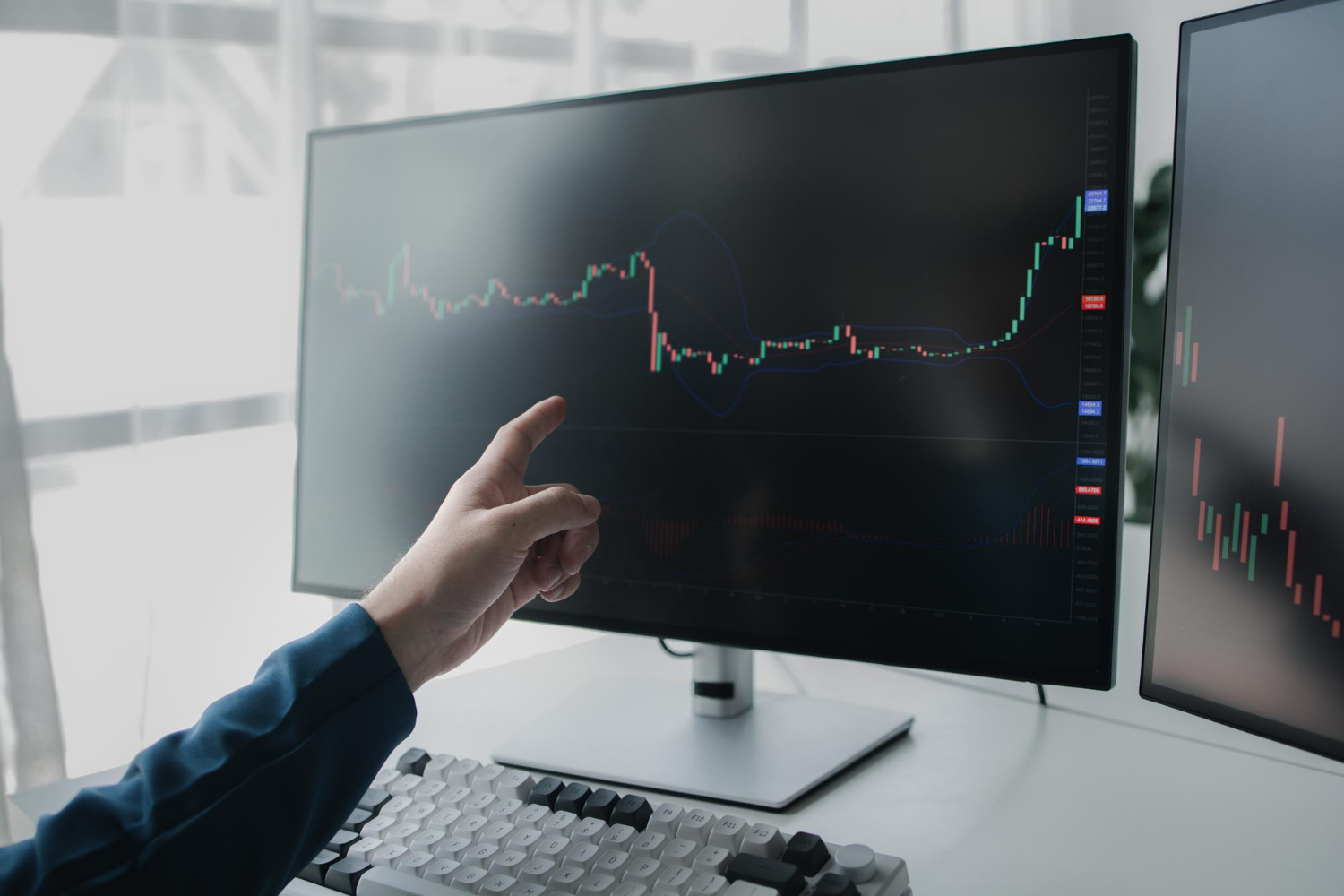

The Philippine peso’s volatility against global currencies offers Filipinos a gateway to Forex trading’s high-reward potential via MetaTrader 5 (MT5). Yet, with SEC regulations tightening oversight, accessing reliable platforms demands caution to sidestep scams and market pitfalls. Discover how to select licensed brokers, set up secure accounts, mitigate leverage risks, and adopt proven strategies for sustainable trading success.
Accessing Forex Platforms from the Philippines
Filipino traders have access to international Forex trading platforms, such as MetaTrader 5 (MT5), through brokers that are regulated and subject to oversight by the Securities and Exchange Commission (SEC) and the Bangko Sentral ng Pilipinas (BSP). This regulatory compliance ensures secure trading conditions within a market that has witnessed a 25% increase in local participation since 2020, as reported by BSP data.
Regulatory Framework and SEC Guidelines
The Securities and Exchange Commission (SEC) of the Philippines, pursuant to Republic Act No. 8799 (the Securities Regulation Code), requires brokers to maintain a minimum capital of PHP 100 million and secure appropriate licenses, thereby safeguarding traders against fraudulent activities. This regulatory framework is underscored by over 150 enforcement actions undertaken by the SEC in 2022.
Key SEC obligations encompass the segregation of client funds into dedicated trust accounts and the performance of annual audits to promote transparency and accountability. In parallel, the Bangko Sentral ng Pilipinas (BSP) administers anti-money laundering (AML) provisions under Circular No. 942, mandating brokers to vigilantly monitor transactions for any indications of suspicious activity.
Violations of these regulations, as stipulated in Republic Act No. 7653, may incur penalties of up to PHP 1 million in fines or imprisonment.
To ensure protection as a trader, it is advisable to adhere to the following guidelines:
- Verify the broker’s registration status on the official SEC website at sec.gov.ph;
- Confirm adherence to First-In-First-Out (FIFO) order execution for clients subject to U.S. regulations, notwithstanding the flexibility afforded under Philippine rules;
- Report any irregularities or anomalies to the BSP hotline at (02) 8708-7087.
A pertinent example is the SEC’s intervention in 2021, which resulted in the closure of an unlicensed broker and the recovery of PHP 50 million for impacted traders.
Selecting Licensed MT5 Brokers
Select from leading licensed MT5 brokers, such as XM (aligned with SEC regulations through CySEC license #120/10) and IC Markets (ASIC #335692). These brokers offer micro accounts with minimum deposits starting at $5 and average spreads of 0.1 pips on EUR/USD.
| Broker | Regulation | Min Deposit | Spreads (EUR/USD) | MT5 Features | Best For |
| XM | CySEC | $5 | 0.6 pips | 1,000+ instruments, VPS | Beginners |
| IC Markets | ASIC | $200 | 0.0 pips | ECN execution, API bridge | Scalpers |
| Pepperstone | ASIC | $200 | 0.6 pips | VPS integration, algo trading | Day traders |
| FP Markets | CySEC | $100 | 0.0 pips | Raw spreads, IRESS platform | Pros (fast execution)/Cons (higher fees) |
| Tickmill | FCA | $100 | 0.0 pips | Low latency, copy trading | High-volume traders |
For users in the Philippines, all listed brokers provide customer support in English (with Tagalog accessibility via translation tools) and demo accounts for risk-free practice, in accordance with ASIC and CySEC regulations. Deposit methods include e-wallets integrated with GCash, such as Skrill and Neteller, which enable efficient funding in PHP without requiring traditional bank transfers (for instance, XM processes deposits within 1-2 hours).
Setting Up Your MT5 Account
Establishing an MT5 account takes less than 30 minutes on MT5 and enables traders in the Philippines to open a demo account with $10,000 in virtual funds. This setup accurately replicates live trading conditions on platforms such as those provided by XM, facilitating risk-free practice.
Download, Installation, and Initial Configuration
To obtain MetaTrader 5 (MT5), download it from the official MetaQuotes website (metaquotes.net) or your broker’s designated portal. The installer, approximately 150 MB in size, is compatible with Windows 10 and later versions, providing seamless integration with custom indicators such as the Relative Strength Index (RSI) and Moving Average Convergence Divergence (MACD) directly upon installation.
Following the download, the installation process typically requires 2 to 5 minutes:
- execute the.exe file,
- agree to the terms of service, and
- select your preferred language.
Upon completion, launch MT5 and log in using your broker-provided credentials. It is advisable to commence with a demo account, such as the complimentary one offered by XM, which includes $10,000 in virtual funds for risk-free practice.
Proceed to customize your workspace by incorporating 8 to 10 currency pairs (for example, EUR/USD and GBP/JPY) through the Market Watch window, and apply a 50-period RSI indicator via the Navigator panel. To facilitate continuous trading operations, consider enabling a Virtual Private Server (VPS) service, such as ForexVPS.net, which costs $20 per month and guarantees 99.9% uptime based on their performance metrics.
A frequent oversight is forgoing antivirus scans prior to installation; according to MetaQuotes, 15% of security breaches originate from unauthorized download sources. The entire setup process generally takes 10 to 15 minutes. (92 words)
Funding Options and Verification Processes
To fund your MT5 live account, consider local deposit options such as bank transfers through BPI, which are free and typically processed within 1-2 business days, or e-wallet transactions via GCash, offering instant deposits with a 1.5% fee on a minimum of $100.
Verification for SEC-compliant brokers is generally approved within 24 hours.
The following outlines four reliable funding methods to facilitate seamless deposits:
- 1. Bank transfers via BPI or Metrobank, which convert Philippine pesos (PHP) to U.S. dollars (USD) at an approximate rate of 55:1, with processing times of 1-2 business days and no associated fees.
- 2. E-wallets such as Skrill or Neteller, featuring a minimum deposit of $10 and fees ranging from 0-1%, making them suitable for efficient international transfers.
- 3. Credit cards (Visa or Mastercard), which support instant funding up to $10,000, subject to fees of 2-3%.
- 4. Local payment solutions like GCash or Coins.ph, with a minimum deposit of P500, often processed instantly and incurring minimal fees of 1-1.5%.
For account verification, submit a PSA-issued identification document and a recent utility bill through your broker’s secure portal (for example, the XM Member Area) to adhere to Bangko Sentral ng Pilipinas (BSP) anti-money laundering (AML) regulations.
Approval typically requires 1-3 business days, while the funding process itself can be completed in as little as 5 minutes.
For instance, withdrawals to a BPI account generally take 2 business days and are exempt from taxes under Philippine capital gains provisions for Forex trading, as per BIR Ruling DA-2020.
Key Risks in Forex Trading
Engaging in Forex trading on the MT5 platform entails substantial risks. According to ESMA 2023 data, 70-80% of retail traders experience financial losses, a situation exacerbated by high leverage that amplifies potential deficits, particularly on volatile currency pairs such as USD/PHP during announcements from the Bangko Sentral ng Pilipinas (BSP).
Market Volatility and Leverage Risks
Market volatility can lead to significant fluctuations in the USD/PHP exchange rate, with swings of up to 200 pips occurring in a single day during Bangko Sentral ng Pilipinas (BSP) rate decisions. This was evident during the 2022 inflation surge to 8.7%, where leverage of 1:500 transformed a $100 margin into $50,000 of exposure, potentially resulting in substantial losses.
To effectively manage these risks in Forex trading, it is essential to address three primary concerns through targeted strategies.
- Session overlaps can heighten volatility, as observed in EUR/USD movements of 50-150 pips during Asian trading hours.
To mitigate this, traders should consult the economic calendar via the News tab in MetaTrader 5 (MT5) and refrain from entering positions immediately prior to major announcements. - Excessive leverage poses a significant threat; while the U.S. Securities and Exchange Commission (SEC) limits retail traders to 1:30, offshore platforms may offer ratios as high as 1:1000, increasing the likelihood of margin calls. For instance, the 2019 Philippine peso devaluation resulted in the loss of 15% of affected accounts.
It is advisable to adhere to conservative leverage ratios to preserve capital. - Bid-ask spreads may expand to as much as 5 pips during high-impact news events.
Selecting an Electronic Communication Network (ECN) broker, such as IC Markets, can provide tighter spreads and more reliable execution.
According to a Commodity Futures Trading Commission (CFTC) report, 74% of trading losses are attributable to the misuse of leverage. Therefore, practitioners should cap risk exposure at 1% per trade and employ stop-loss orders to safeguard against adverse market movements.
Scams, Fraud, and Cybersecurity Threats
In the Philippines, Forex scams resulted in losses exceeding P500 million in 2023, as reported by the Securities and Exchange Commission (SEC). These fraudulent schemes frequently involve counterfeit MetaTrader 5 (MT5) applications that imitate reputable brokers, such as XM, to illicitly obtain users’ login credentials.
Common vulnerabilities include Ponzi schemes, exemplified by the SEC-banned “Forex PH” operation in 2022, which enticed investors with unrealistic promises of 50% monthly returns and assured profits.
Phishing emails containing deceptive broker links have led to widespread account compromises, with Kaspersky’s 2023 report indicating that 20% of affected users experienced such incidents.
Additionally, unregulated offshore brokers-often registered in jurisdictions like Cyprus to circumvent Bangko Sentral ng Pilipinas (BSP) regulations-provide high-leverage trading without proper supervision. Downloads of pirated MT5 software may also contain embedded malware designed to extract API keys.
To mitigate these risks, individuals should always confirm the legitimacy of brokers through the SEC registry prior to making deposits. Enabling two-factor authentication (2FA) on official MT5 applications enhances account security.
Furthermore, utilizing a virtual private network (VPN) service, such as NordVPN at $3 per month, can help conceal IP addresses during trading activities. A 2021 operation by the Philippine National Police (PNP) successfully recovered P100 million for over 500 victims, underscoring the critical importance of vigilance in preventing such fraud.
Best Practices for Safe and Effective Trading
Implementing best practices, such as establishing stop-loss orders at 50 pips within the MetaTrader 5 (MT5) platform, can reduce drawdowns by 40%, according to a study published in the Journal of Finance in 2022. This strategy give the power tos traders in the Philippines to effectively manage the volatility inherent in the USD/PHP currency pair.
Risk Management Techniques
To implement effective risk management, limit each trade to 1-2% of a $1,000 account (e.g., $10-20 risk per trade). Utilize MetaTrader 5 (MT5)’s integrated position size calculator to achieve a 1:2 risk-reward ratio when trading swings on the EUR/USD pair.
To further strengthen this approach, incorporate the following five techniques:
- Establish stop-loss and take-profit orders at 30-50 pips directly within MT5’s order placement interface.
- Employ position sizing based on the Kelly Criterion formula in Microsoft Excel-calculated as (Win Rate x Average Win – Loss Rate x Average Loss) / Average Win-to determine optimal trade sizes.
- Diversify positions across 3-5 currency pairs, such as USD/PHP, EUR/USD, and AUD/USD.
- Implement hedging by initiating opposite positions on correlated pairs, in accordance with Bangko Sentral ng Pilipinas (BSP) regulations.
- Apply trailing stops in MT5 to automatically adjust levels and secure 20% of profits.
As outlined in FXCM’s 2023 report, adherence to these practices can reduce losses by up to 50%. For performance monitoring, maintain a trade journal using MT5’s History tab and conduct weekly reviews to verify at least 15% portfolio protection.
Developing Strategies and Continuous Education
Develop a scalping strategy utilizing the MetaTrader 5 (MT5) platform with 1-minute charts and the Relative Strength Index (RSI) indicator, identifying overbought conditions above 70. This approach has been backtested to achieve a 65% win rate on the USD/PHP currency pair during the Asian trading session, as substantiated by data from the Myfxbook community.
To implement this strategy, adhere to the following structured steps:
- Select scalping parameters: Aim for 5-10 trades per day on M1 charts, initiating short positions when the RSI surpasses 70 and exiting at 10-15 pips profit or a 5-pip stop-loss, with emphasis on volatility during the Asian session (e.g., 12:00-18:00 GMT+8).
- Conduct rigorous backtesting: Employ the MT5 Strategy Tester with one year of historical data sourced from Dukascopy. Target a 1.5:1 reward-to-risk ratio; Myfxbook analyses indicate that comparable RSI configurations yield 65% win rates on USD/PHP.
- Integrate comprehensive analysis: Combine technical indicators (such as RSI with a 50-period Exponential Moving Average crossover) and fundamental factors (including monitoring Bangko Sentral ng Pilipinas GDP reports via the Forex Factory economic calendar).
- Utilize Expert Advisors: Implement automated solutions from the free MT5 Marketplace, such as the RSI Scalper EA, to facilitate execution.
- Pursue education and ongoing monitoring: Complete the free 20-hour course offered by Babypips.com and engage with Philippine-based communities, such as Traders Union forums. Maintain a detailed trade journal for weekly reviews. For instance, a day trader who incorporated Non-Farm Payroll (NFP) news events achieved 200 pips in gains during 2023.
Frequently Asked Questions
What is Forex on MT5 from the Philippines: Access, Risks, and Best Practices?
Forex on MT5 from the Philippines: Access, Risks, and Best Practices refers to the process of trading foreign currencies using the MetaTrader 5 (MT5) platform in the Philippines. Access involves selecting regulated brokers that support MT5 and comply with local laws. Risks include market volatility, leverage dangers, and potential scams, while best practices emphasize education, risk management, and using demo accounts before live trading.
How do Filipinos gain access to Forex trading on MT5?
To gain access to Forex on MT5 from the Philippines: Access, Risks, and Best Practices start by choosing a reputable international broker licensed by bodies like the SEC or CySEC that offers MT5. Download the MT5 platform from the broker’s website, create an account with your Philippine ID, fund it via local methods like bank transfers or e-wallets, and ensure the broker allows Philippine residents to trade without restrictions.
What are the main risks associated with Forex on MT5 in the Philippines?
The main risks in Forex on MT5 from the Philippines: Access, Risks, and Best Practices include high leverage leading to significant losses, currency fluctuation volatility, and regulatory gaps since Forex isn’t directly overseen by the Bangko Sentral ng Pilipinas (BSP). Other risks are broker insolvency or fraudulent platforms, emotional trading decisions, and cybersecurity threats to your trading account.
What are the best practices for safe Forex trading on MT5 from the Philippines?
Best practices for Forex on MT5 from the Philippines: Access, Risks, and Best Practices involve thorough broker research for regulation and low spreads, using stop-loss orders to manage risks, starting with a demo account to learn MT5’s tools like automated trading via Expert Advisors, maintaining a trading journal, and never investing more than you can afford to lose while staying updated on global economic news.
Is Forex trading on MT5 legal for residents in the Philippines?
Yes, Forex trading on MT5 is legal for Philippine residents under Forex on MT5 from the Philippines: Access, Risks, and Best Practices, but it’s not directly regulated by the BSP. Traders should use internationally licensed brokers to ensure compliance, avoid unlicensed local operators, and report taxes on profits to the Bureau of Internal Revenue (BIR) to stay within the law.
How can beginners start with Forex on MT5 from the Philippines?
Beginners can start with Forex on MT5 from the Philippines: Access, Risks, and Best Practices by educating themselves through free online resources or courses on MT5 features. Select a beginner-friendly broker with MT5, open a demo account to practice without real money, learn basic strategies like trend following, and gradually transition to live trading with small deposits while prioritizing risk management